
WE SHIP YOUR PARCEL IN 24H!

SHIPPING COSTS ARE FREE FOR ORDERS OVER €99

fiume-Sile-3.jpg
Blog
 / Carpfishing

Carp Fishing on the River Sile

06 June 2026

Carp Fishing on the River Sile: a technical water for those who can read it

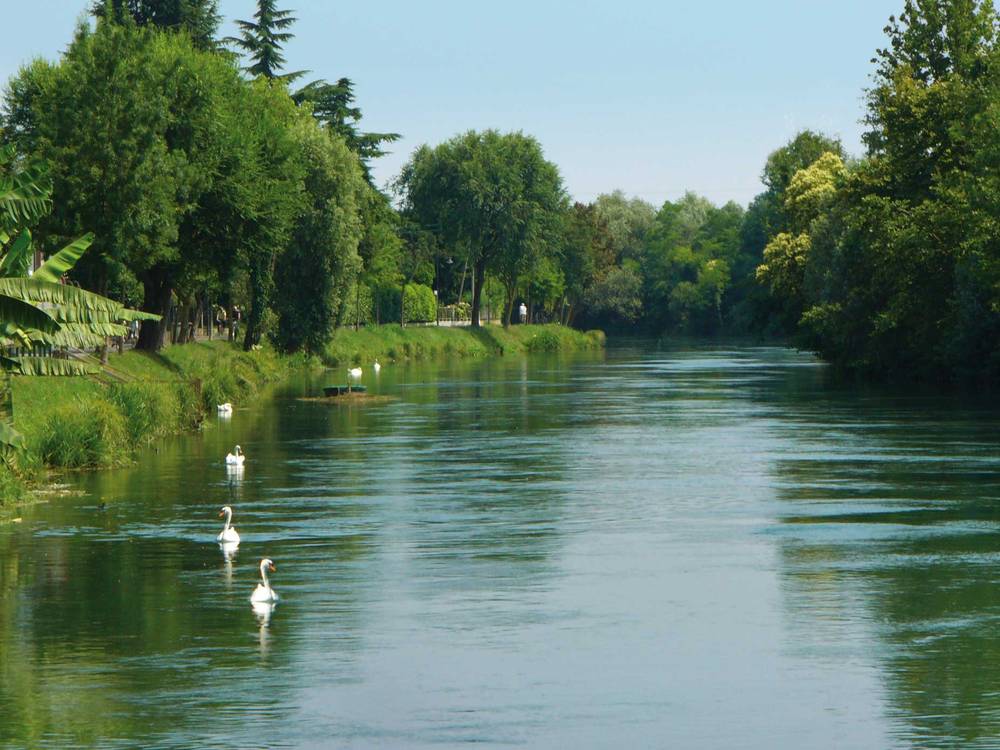
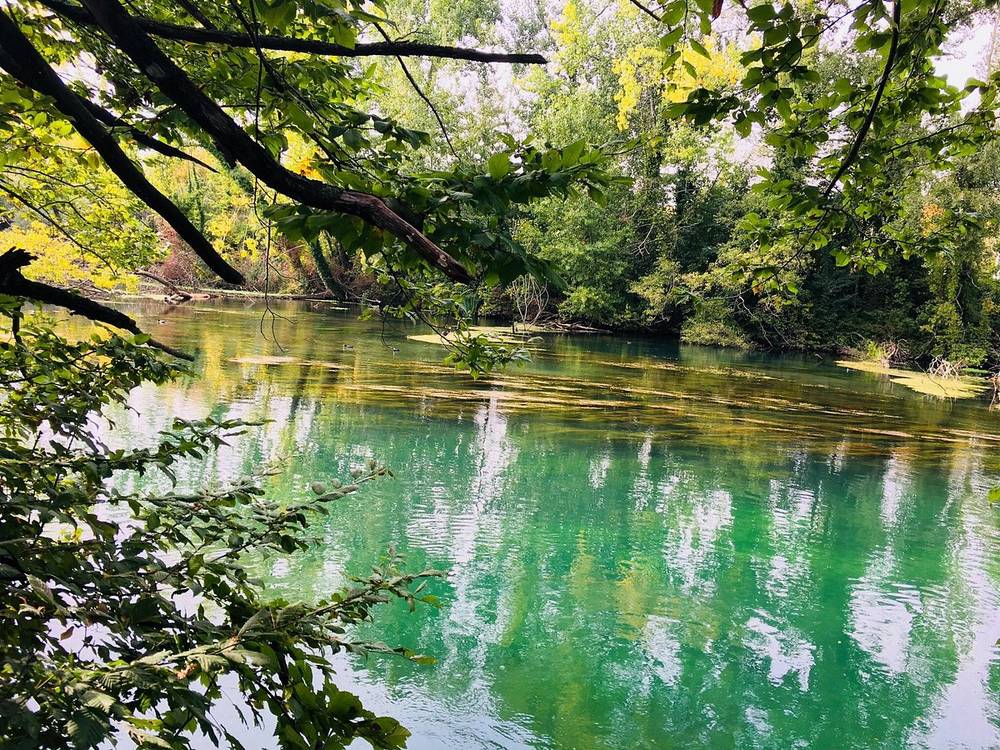
The River Sile rises from one of the most important spring-fed networks in Europe, flows slow and steady, and has water so transparent that the first time you go fishing there you immediately realise you have to change the techniques you learned elsewhere. 

On the River Sile, carp fishing is first and foremost a matter of reading: of the bottom, of the obstacles, of the temperature, of the fishing pressure. Nothing that works by default in a closed gravel pit guarantees a productive session here. Today we’ll tell you how we at the Molino approach this river: how we read the spots, how we choose mixes and baits for its waters, how the pace changes with the seasons and what needs to be sorted out before you even set up your first rod.

The River Sile: springs, vegetation and an environment that makes the difference

The River Sile is one of the few large Italian rivers fed entirely by springs. What does that mean for us anglers? That the water temperature stays surprisingly stable all year round, at around 12-14 degrees even in the coldest months. Sile carp never fully go into hibernation, and this radically changes how you plan sessions compared with a Lombardy gravel pit or a drainage canal.

The environment, protected by the Sile River Nature Park, alternates dense reedbeds, submerged trees, long stretches covered by vegetation and the odd wider opening. It’s a perfect habitat for fish, but also a labyrinth that changes face every hundred metres. The carp use the obstacles as shelter and as a pantry, and move with patterns you have to figure out spot by spot.

Clear water adds another layer of complexity. By the time the fish sees you, you’re already out of the game: your approach on the bank counts as much as your choice of mix.
Reading the Sile’s bottom: where a blank ends and a session begins

The bottom of the Sile is a map. Muddy areas rich in natural food alternate with harder stretches of compact gravel and strips with submerged obstacles (fallen trees, branches, stones) that are the real magnets for sizeable carp.

Before positioning the rods, we feature the swim. A marker float, a fish finder if it’s allowed, or simply a bare lead and a torpedo lead to read the consistency: every tap on the bottom tells you something. A sharp vibration is gravel. A soft sink with no rebound is deep silt (and a pop-up works well there). A dry resistance is a hard margin or an obstacle: a spot to mark down and to respect.

Fishing pressure on the River Sile is real. The easy, visible spots are fished all year. The difference is made by the awkward spots: behind a bend, in the shade of a reedbed, on a hard patch a few metres from a submerged tree. You earn them by walking, not by sitting.

Baiting and baits for clear water: what brings fish in on the Sile

Clear water means wary carp. On the River Sile, the work of pre-baiting makes the difference between a session of registering bites and a real outing. The principle is simple: you prepare the spot three or four days before the session, in measured doses, getting the fish used to finding food in the same place and to trusting a certain nutritional profile.

The carp baits should be chosen consistently with the baiting mix, not separately. On the Sile we work well with highly digestible animal meals (krill, squid, liver) balanced by spiced birdfoods that work very well even in cold water. Boilies rotated between 14 and 18 millimetres cover most situations: smaller sizes when the fish is less active, larger sizes to select bigger carp.

Stick mix short around the hookbait, pop-up when the bottom is too silty and the bait needs to be lifted up, flavour dip to amplify scent dispersion in waters with a light current. These are all technical choices, not fixed recipes: you decide the precise composition spot by spot.

Seasonality on the Sile: how the approach changes month by month

The thermal stability of the springs makes the Sile a four-season river. It’s worth thinking about it season by season, because anyone who only considers May to September misses the most productive sessions.

In winter, carp fishing on the River Sile is perfectly viable. The carp stay active, but with a slowed metabolism: more digestible mixes, high percentages of fine animal meals, smaller boilies (14-16 mm), measured baiting. No summer-style loads: better a few grams of bait a day, consistently, than a single heavy baiting session.

In spring the pre-spawn phase kicks in: the carp move more, explore, build reserves. It’s the moment for more generous baiting with high-energy birdfoods and for choosing spots near the suspected spawning areas. Summer, paradoxically, is the most technical season: extremely dense vegetation, oxygen that drops in the central hours of the day, sessions that focus on dawn and dusk.

Autumn is the golden season. The Sile carp enter the build-up phase, and mixes rich in high-percentage animal meals work extremely well. This is when you play for the biggest fish of the year.

A river that demands strategy

The River Sile is not for those in a hurry. It’s a river to study before you fish it, to observe before you bait it, to discover session after session. The clear waters, mixed bottoms, fishing pressure and thermal stability of the springs make it a technical and deep water, where every catch carries a different weight.

If you’re building your mix for the next session and want to compare notes on flours, percentages and combinations for the Sile or other waters of northern Italy, get in touch: building the right recipe is what we’ve always done!

Frequently asked questions from our customers

Here are the most common questions we receive from our customers.

  • What is the best season for carp fishing on the River Sile? There isn’t a “best” season in absolute terms, and that’s one of the Sile’s distinctive traits. The springs keep the water at stable temperatures even in winter, so the carp stay active all year round. Autumn remains the most productive season for size, but those who can adapt their mix and baiting also get results in the middle of winter. The pre-spawn spring is excellent for the frequency of catches.
  • How many rods can I use for carp fishing on the Sile, and which rig is required? Up to four rods are allowed for the carp fishing technique on the Sile. The mandatory setup is a hair rig with the hook always exposed, both for regulatory reasons and out of respect for the fish. It’s a rule consistent with the catch-and-release culture widespread in Italian carp fishing and with the protection of fish in the nature park. Always check for rule updates via the Geo Ticket app before your session.
  • Is night fishing allowed on the Sile, and can you set up a bivvy? Night fishing is allowed, and for many carp anglers it’s the best way to experience the river. A bivvy can be set up, provided it doesn’t block passage along the towpath and the service trails, and it’s positioned thoughtfully, without damaging the vegetation. The unwritten rule of mutual respect applies: room for other park users, no rubbish, no excessive noise. The Zombini Family standard.
  • What documents are needed to fish on the River Sile? You need three things, and all three must be in order before you cast. The Veneto regional fishing licence, valid for the region’s public waters. FIPSAS membership, required for sporting recognition of the activity. The Geo Ticket, the app dedicated to this stretch, available to buy online or directly on site, which also acts as the mandatory catch log. Without any one of these three pieces, your session isn’t in order.
  • What kind of baits works best in the Sile’s clear water? Clear waters reward nutritional consistency and soft scent profiles, not baits in very bright colours. We work well with boilies based on highly digestible animal meals (krill, squid, liver) balanced by spiced birdfoods, rotating sizes between 14 and 18 millimetres. The baiting mix must be consistent with the hookbait. If you have doubts about percentages and dosages for your spot, drop us a line: we’ll help you build the recipe.
subscribe to our newsletter