

Carp Fishing at the Mantua Lakes: the spot, the rules, the baits of the Mincio
If you’ve been into carp fishing for a few seasons, sooner or later you’ll end up at the Mantua Lakes. It’s not a lake like the others: it’s a system of three basins created in the Middle Ages, where the Mincio slows down inside the city and creates one of the most distinctive environments in northern Italy. Still but living water, reedbeds, water lilies, shallow bottoms and carp that know their stuff. You can’t just turn up and cast here: you fish with your head, reading the spot and calibrating the mix to the day. In this guide we’ll walk you through what makes the Lakes unique, the rules you need to know and how we at the Molino approach these waters.
Three basins, one river: what makes the Mantua Lakes unique
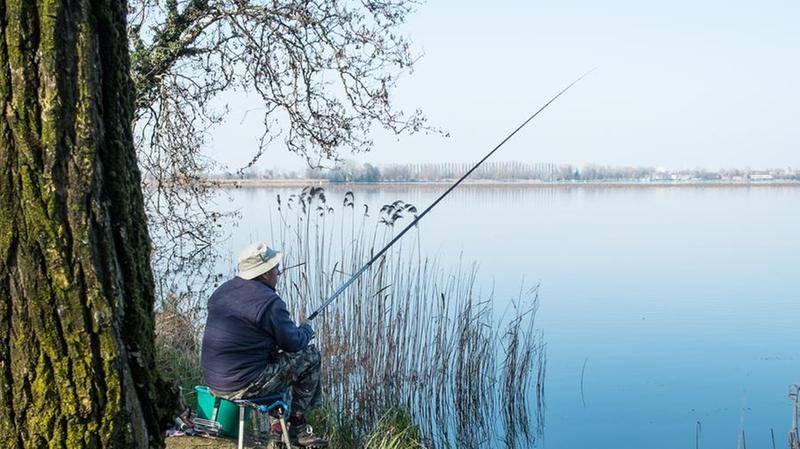
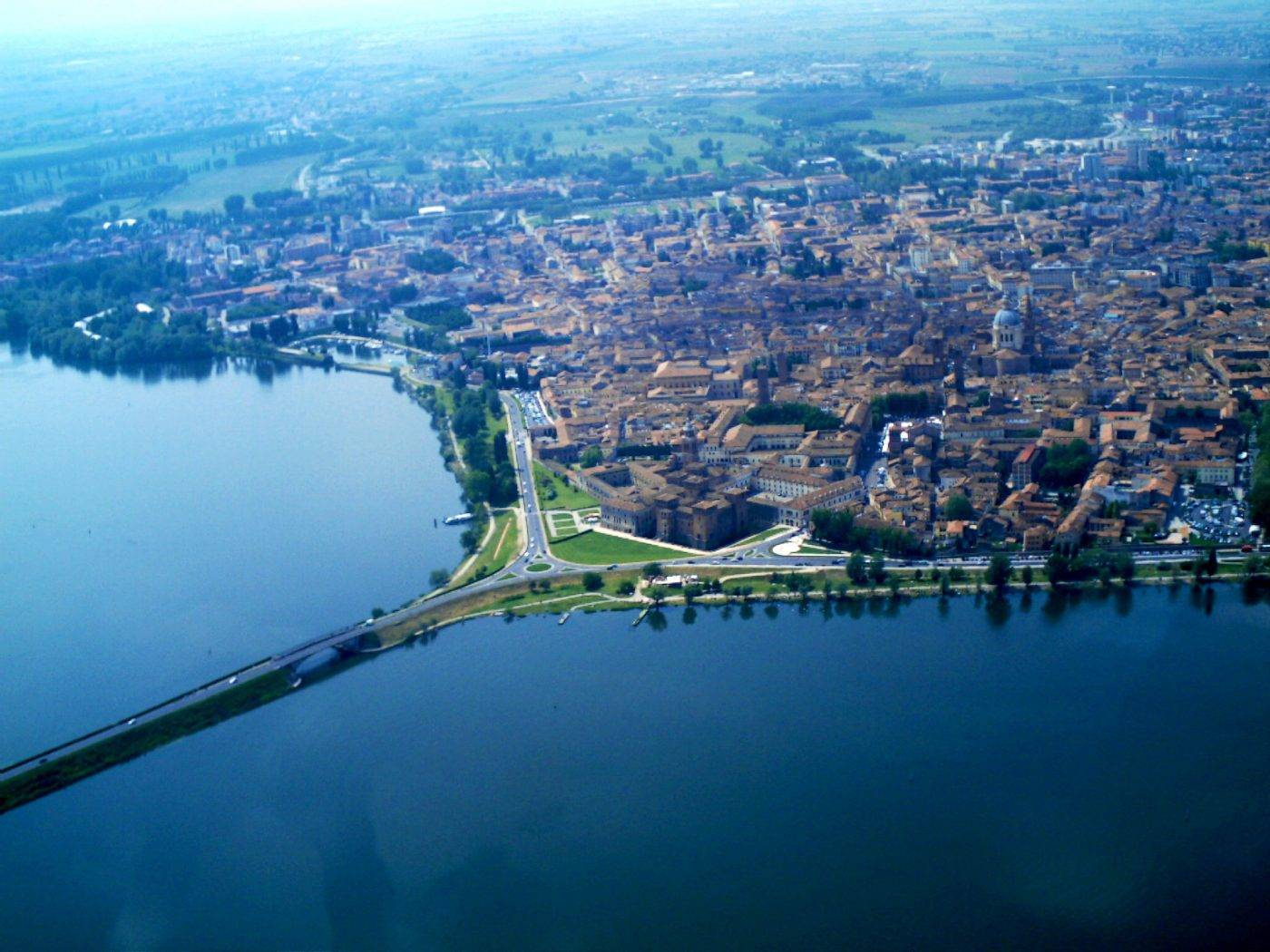
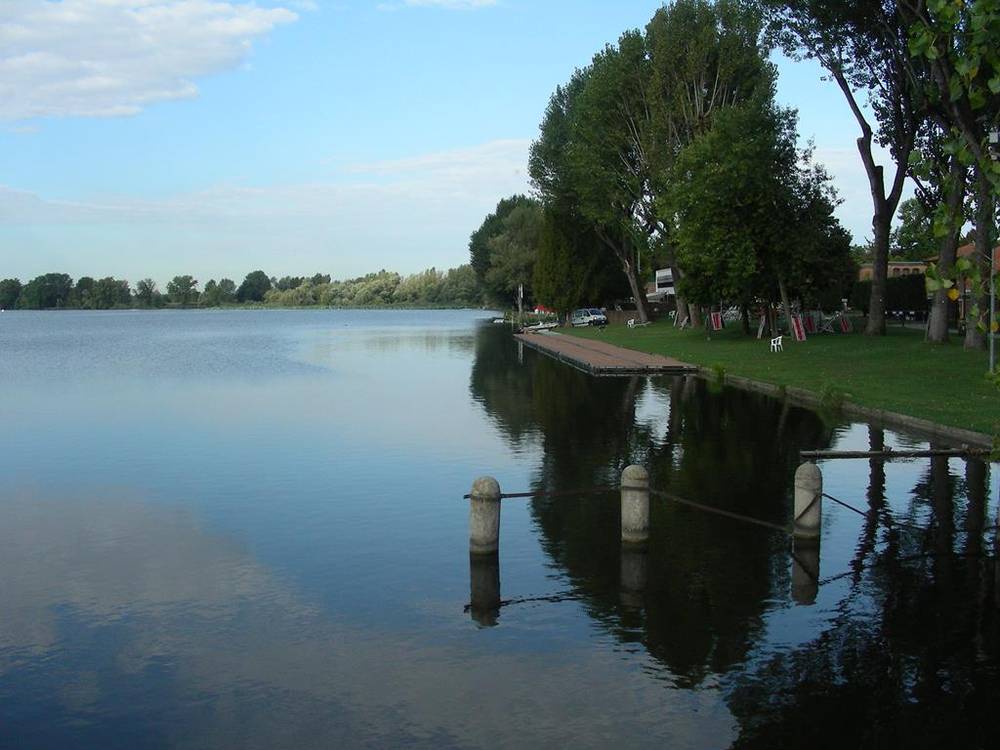
The Mantua Lakes aren’t a natural lake. They’re three reservoirs (Superiore, di Mezzo and Inferiore) dug at the end of the 12th century to defend the city and today part of the Parco del Mincio. The Mincio flows in from Lake Garda and crosses the three basins with a slow, steady current: the result is water that behaves like a lake (apparently still, warm in summer, rich in vegetation), but with the dynamism of a river beneath the surface. Generally shallow bottoms, wide stretches of lotus flowers on the Superiore, thick reedbeds along the banks and water lily zones that change shape with every season. An unusual habitat that lives on delicate balances, where reading the bottom and the gentle current makes the difference between a baiting plan that brings the fish in and one that just sits there.
Carp and catfish among water lilies and reeds: who lives in the Lakes
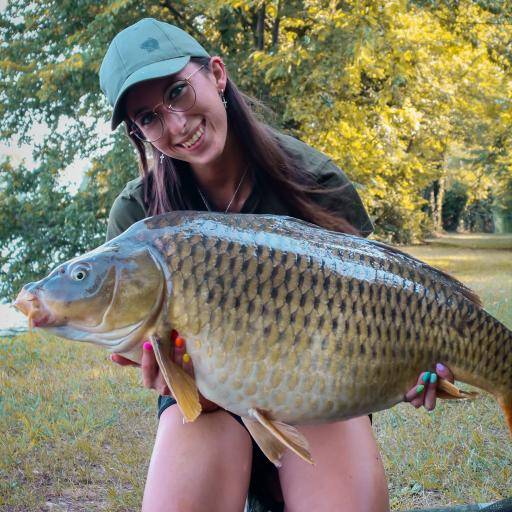
The slow, warm, nutrient-rich waters of the Mantua Lakes are a fish factory. The carp here grow well and reach impressive sizes, often over twenty kilos in the oldest specimens, with both wild-strain and king carp that show different behaviours depending on the season and fishing pressure. The presence of reedbeds, water lilies and submerged vegetation provides constant shelter: the carp hold close to the dense areas and move to the edges to feed. Alongside the carp, large catfish share the same waters, drawn by the same environments and small prey. These are fish that have seen it all: a poorly tied hook, a generic bait, a rushed presentation and they’re gone. You need carp baits that match the environment, distinct scent profiles and a clean presentation.
Reading the spot: baiting and positioning on the Mincio
Licence, FIPSAS, basin permit: what you need before casting
To fish at the Mantua Lakes you need three documents, all three before you set up your pods. The first is the Lombardy regional fishing licence, valid throughout the region. The second is FIPSAS membership, which certifies your registration with the federation and provides insurance coverage. The third is the Mincio basin permit, specific to these waters and managed locally. On top of these come the rules of the Parco del Mincio: free camping is forbidden, so no tents along the banks unless in authorised areas or dedicated facilities. Boats are allowed, but under strict conditions: the motor must be covered by insurance, and fishing must be done with the boat anchored, not drifting. Lotus flowers, water lilies and reedbeds are considered sensitive habitats: the required distances must be kept and they must not be disturbed. These are rules you read twice and then stop noticing, because anyone who truly loves these places respects them on their own.
Reading the spot: baiting and positioning on the Mincio
At the Mantua Lakes the difference is made by the spot, not by the long cast. The carp follow precise routes between vegetation zones and the edges of the reedbeds, and a badly chosen swim stays empty even with the best baiting mix. Before the session, take your time to feature the bottom, identify changes in consistency (transitions from mud to sand, clean lanes between the lily pads) and figure out where the carp really pass through. The gentle current of the Mincio, though almost imperceptible, moves scents around and reshapes the bait cloud within a few hours: better targeted, repeated baiting than a single massive load. Pre-baiting in the days leading up to the session is almost always the key: three rounds a day for three days, with highly digestible flours and well-prepared particles, and you arrive on day four with the fish waiting for you on the spot.
Mixes and baits for the Lakes: what works season by season
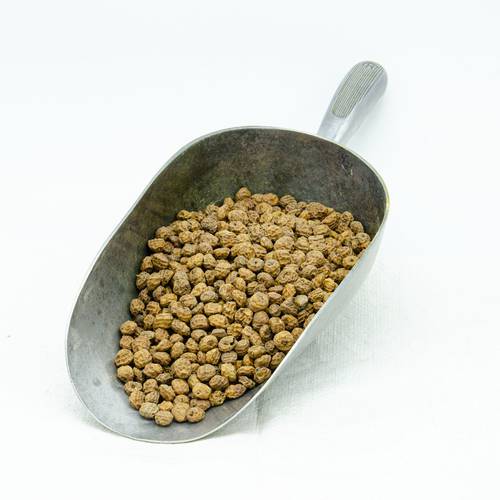
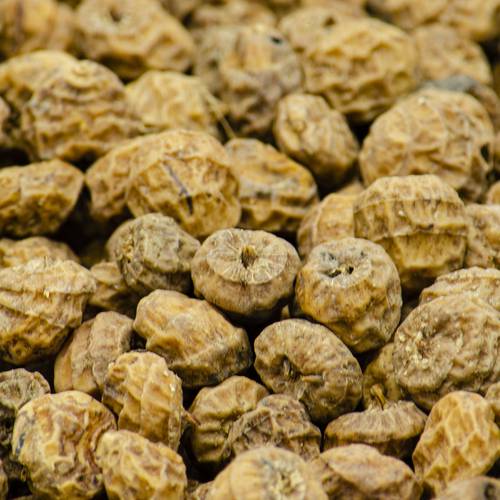
The Mantua Lakes change character four times a year and the mix has to be calibrated accordingly. In spring, when the carp come out of dormancy and start moving in search of nutrients, what works well is sweet-fruityboilies of 20-24 mm on light birdfoods, baited in moderation on shallow spots. In summer the water warms up and heavy animal nutrients risk being too filling: better to use more digestible mixes, cooked seeds, sweetcorn and particles, with smaller fruity boilies.
Autumn is the season for protein mixes: spiced birdfoods, animal meals, krill, squid, liver. This is when the carp load up for winter and reward distinct scent profiles. In winter the fish slows down, but doesn’t stop: you cut down the baiting volume, raise the scent profile, and work on single hookbaits with long dips and highly digestible mixes. Carp fishing gear follows the same logic: everything has to be calibrated to the environment, not to habit.