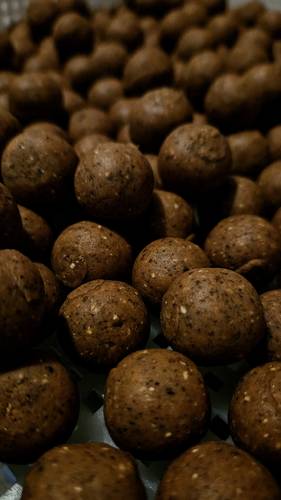


Carpfishing is not just a fishing technique, but a real philosophy. Those who practice it know this: this discipline requires patience, respect for nature and a profound knowledge of carp behaviour. It is not simply a matter of casting a rod into the water and waiting, but of getting in tune with the aquatic environment, carefully studying every detail and constructing a precise plan of action.
One of the most fascinating aspects of carpfishing is precisely its strategic component. Each session begins with a careful analysis of the location: depth, presence of obstacles, fish activity, weather conditions and water temperature. Even the position in which the rods are placed and the choice of bait are the result of careful consideration. The most experienced carp angler knows that every little detail can make the difference between a dream catch and an entire night spent in vain.
In addition, respect for the fish is a fundamental value in the world of carpfishing. The catch and release philosophy is practised by almost all enthusiasts: carp are carefully handled, weighed, photographed and then released back into the water in the best possible condition. This not only safeguards the fish fauna, but also keeps the emotions of sustainable and conscious fishing alive.
What is carpfishing and why is it different from other techniques?
Carpfishing is a sport fishing technique that specialises in catching carp: a fish known for its wariness, strength and endurance during combat. Unlike other techniques, such asbottom fishing orshot fishing,carpfishing is based on a highlystrategic and selective approach, designed to attract and catchbig fish.
This discipline originated in the UK and quickly spread to Europe and the rest of the world because of the challenge it poses: thecarp is a cunning fish, able to recognise danger and avoid bait if it senses something suspicious.
For this reason, carp anglers use specific equipment and techniques that maximise the likelihood of success.
- Equipment. Carpfishing equipment includes long rods, baitrunner reels,specific rigs such as the hair rig and beepers, all designed to tackle large carp and make fishing more effective.
Pasturing. Baiting is a fundamental technique incarpfishing that consists of preparing the fishing area withpasture for carp and increasing the chances of catching them. It can be along-term feeding, distributing bait in the days leading up to the session to habituate the fish, or aduring-session feeding, combining boilies, pellets and grits to keep them active, or atargeted feeding, using spod, cobra or PVA bags to concentrate the food in a precise spot and maximise the effectiveness of the strategy.
Pasturing: what is it, how is it done and what is it for?
Pasturing in carp fishing is fundamental and consists of casting carp bait into the water to get them used to finding food in your fishing area.Pre-emptive baiting consists of spraying carp bait in the days leading up to the session to get the fish used to feeding in a specific area, thus increasing the likelihood of catching them. Paste-feeding while fishing, on the other hand, is done directly on the spot using boiles, pellets and grits to attract carp close to the bait.
The choice between the two methods depends on the time available and the fishing conditions, but often a combination of both leads to the best results.
Want to learn more? Read these articles!
Secret recipes and exclusive carpfishing tips!
Each month we send our subscribers aspecial recipe and practical tips to improve your catches. Want to discover new mixes and winning strategies? This is the right opportunity for you!
The best times for carpfishing: when do carp feed the most?
Carp feed most at certain times of the year. Here is a quick guide to the best times:
- Spring (March - May). After the winter period, as temperatures rise, carp awaken from hibernation and begin to feed to regain lost energy. During this period, they move to shallower waters, where the temperature is higher, and become more active.Sweet, protein-packed baits, such asfruit-based boiles orfish meal, are particularly effective.
- Autumn (September - November).Autumn isone of the best times for carpfishing, as carp feed profusely to build up fat reserves for the winter. During this seasonthey are less wary and feed for longer periods: aconstant feeding, withboiles made from fishmeal, pellets and grits, can be particularly effective.
- Winter (December - February). With cold water, the carp's metabolism slows down and their food requirements decrease. In winter, it is essential to use small, highly attractive baits, such as soluble boilies and cheese bait, and to target spots where the water is warmer.